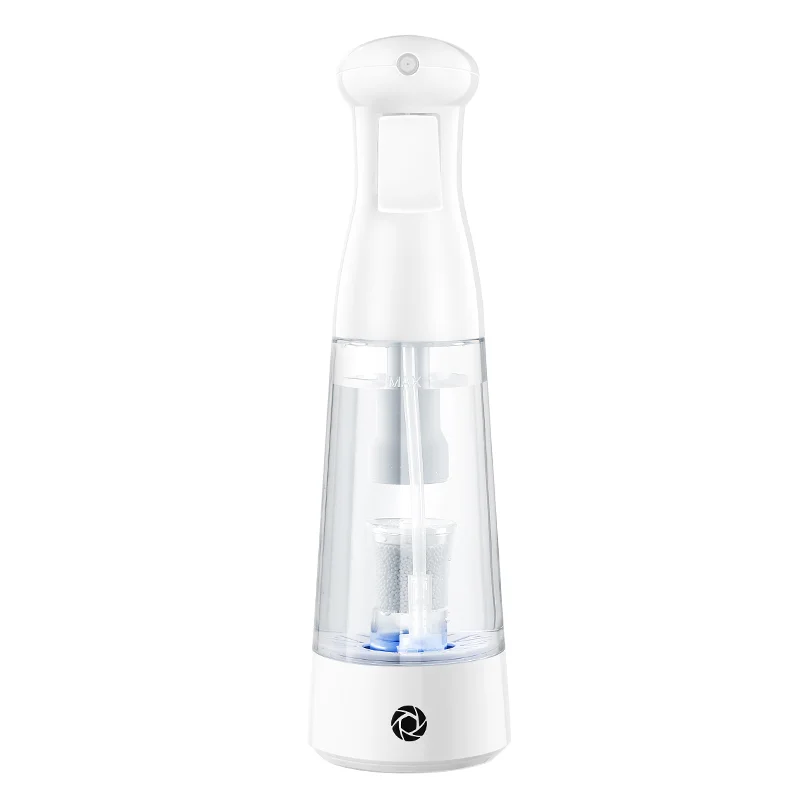
Technical specifications
| Parameter | Published specification |
|---|---|
| Product Name | Silver Ion Generator |
| Model | YMK-1001 |
| Color | White |
| Dimension | 73*94*254mm |
| Capacity | 220ml |
| Material | PP, PC, ABS |
| Battery | 3.7V 1500mAh |
| Rated Charging | DC5V |
| Rated Power | 5W |
| Operating Time | 10 Minutes |
| Charging Port | Type-C |
| Net Weight | 238g |
| Gross Weight | 548g |
A small-batch format for everyday cleaning routines
A cleaning appliance earns its place in a product range when buyers can explain where it fits. For YMK-1001, start with small batches of silver-ion-enriched water prepared for supplementary surface cleaning. The portable format gives distributors a clear product story: a rechargeable appliance that users fill, operate and maintain, with a defined purpose in an existing cleaning routine.
Kailian owns its factory and manufactures YMK-1001. If you're comparing manufacturers, use the model number in your inquiry so that the discussion stays tied to this particular device. A factory relationship is useful only when the agreed product, documentation and order requirements are clear.
The 220ml capacity is an important buying consideration. Think about the amount needed for the intended task, where the appliance would be kept and how often a user would prepare another batch. This is a compact product to assess for local cleaning tasks. Browse the portable generator range to place it within your assortment, then build your evaluation around the actual customer routine.
What the silver electrode does
YMK-1001 uses micro-current electrolysis with a pure silver electrode to produce silver-ion-enriched water. Its listed adjustable concentration range is 1 to 3 parts per million. These details describe the device's technology and stated output range; they do not establish a disinfecting result for a particular surface or cleaning task.
For a product demonstration, keep the explanation practical. Show the device, explain that water goes into the appliance, and describe the preparation cycle before discussing the intended auxiliary cleaning uses. That sequence is easier for customers to follow than a long list of scientific terms without an operating context.
Before preparing sales materials, ask how the available settings should be demonstrated and which operating instructions apply to the supplied model. If concentration verification is part of your purchasing process, discuss the measurement method and acceptance criteria with Kailian before ordering. Don't assume that a general concentration range replaces a defined evaluation procedure. Our technology overview provides context for comparing silver ion generation with the practical requirements of your product range.
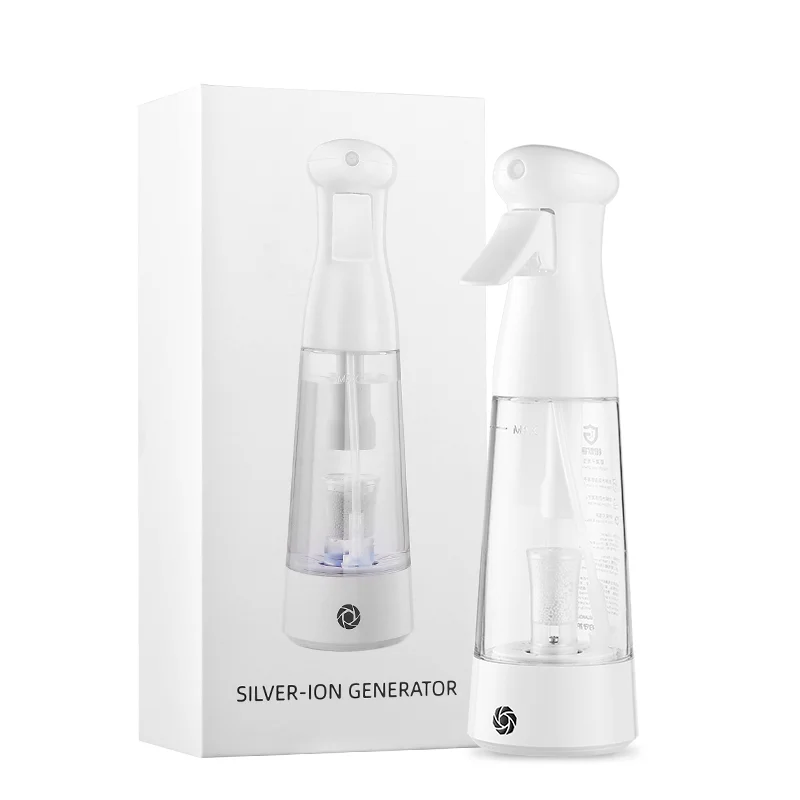
Plan around the preparation cycle
The basic operating description is straightforward: fill with water, press the button and allow approximately ten minutes for preparation. For buyers, the useful question is how that preparation step fits into the customer's day. A countertop demonstration, a retail explanation and an instruction leaflet should all describe the same sequence.
Allow a sample evaluation to include the whole routine. Have the evaluator read the instructions, prepare the appliance, run a cycle and explain what they would do next. Record any questions about filling, controls or identifying the end of the cycle. These observations can help you decide what a retailer or customer-service team needs to explain.
The stated operating time is a production-cycle reference. It should not be presented as a surface contact time, a guarantee of cleaning performance or the total operating time available from one battery charge. Keep those ideas separate in sales copy. Where your purchasing checklist needs a detail about charging duration or cycles per charge, request confirmation for the supplied version instead of estimating it from battery capacity.
Check the physical product, not just the specification sheet
The white housing uses PP, PC and ABS, and the device has a listed net weight of 238g. Its Type-C charging port and rechargeable battery are relevant to how customers store and prepare it. The parameter table gives the dimensional and electrical details; use those figures to plan a physical review rather than judging the product from a photograph alone.
For a retail range, examine whether the size suits the shelf space and demonstration area you have in mind. For an online listing, choose photographs that show the whole appliance and clearly distinguish it from its surroundings. Include a useful scale reference in your photography plan without suggesting accessories are included when their inclusion has not been agreed.
A sample checklist can cover handling, access to the filling point, readability of instructions and the charging arrangement. Ask which charging accessories accompany the proposed order and which requirements apply in your destination market. A familiar connector does not answer every question about the complete supplied package. Put the agreed contents into the quotation and order documents.
Build your range around specific cleaning tasks
The intended applications include supplementary cleaning of household surfaces such as countertops and furniture, fabric freshening, and odor-control routines around pet beds and feeding areas. The device is also described for cleaning non-electronic personal items and wiping shared surfaces. These are use contexts, not promises that every material or application will respond in the same way.
Choose the context that matches your customer. A home-care retailer may want to explain a countertop routine. A distributor focused on fabric care may need to discuss the suitability of particular textiles before developing a demonstration. A pet-supplies buyer should keep the presentation focused on the surrounding environment and accessories, without turning a surface-care product into an animal treatment.
Ask for the relevant model instructions and review material compatibility before recommending a use. For food-contact items, include the customer's established cleaning and rinsing requirements in that review. The most useful product page helps customers understand where a device belongs and how to assess it. Explore application considerations for a broader view of the buying questions behind each setting.
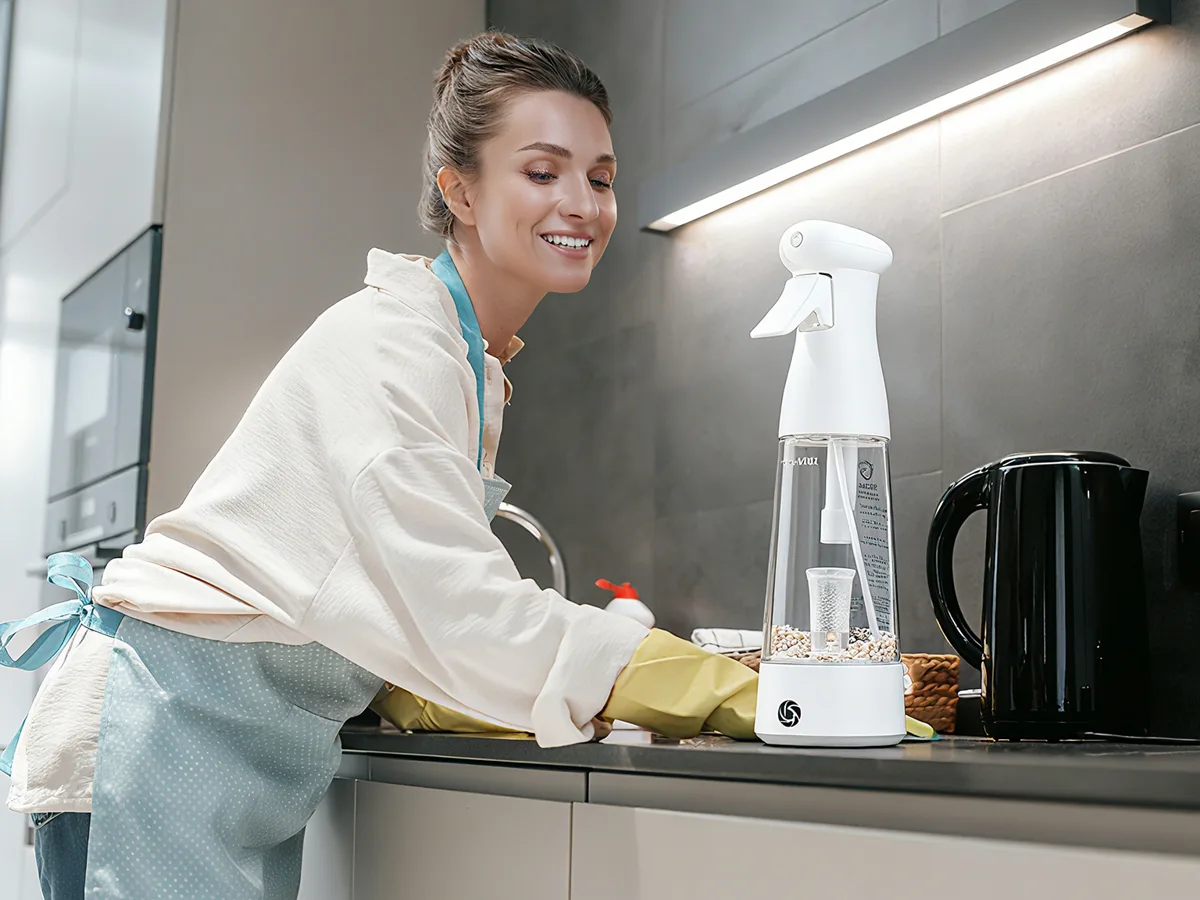
Application illustration; not a verified installation or a claim of disinfection performance.
Water choice belongs in the after-sales conversation
The operating description allows tap water, while the model guidance identifies purified water as ideal and notes that hard water may require more frequent electrode cleaning. That distinction matters for distributors serving customers in different locations. A simple instruction to add water should be supported by clear guidance on the recommended water source and maintenance procedure.
During evaluation, record the water used and follow the supplied instructions. Ask Kailian how electrode cleaning should be carried out for this model, what signs should prompt attention and which cleaning materials are permitted. Avoid creating your own maintenance interval from an unrelated appliance or a different water condition.
For after-sales planning, decide who will answer routine operating questions and how a customer will identify the model when requesting help. You may also want to discuss replacement-part availability, ordering references and the information required for a support inquiry. These are procurement questions to resolve, not assumptions about a fixed service package. A readable care guide is part of a useful buying decision, especially when the product will reach customers through several sales channels.
Make a sample review useful to your purchasing team
A good review starts with a written purpose. Are you assessing a new home-care category, checking how the appliance fits your existing range or deciding what your sales team would need to demonstrate? Choose the question first, then record observations against it. This keeps a sample discussion focused on the intended purchase.
Consider using a short evaluation sheet with separate areas for physical condition, operating instructions, handling and suitability for the proposed customer routine. Where you need performance evidence, define the specific claim and discuss what supporting information is appropriate. General impressions of a demonstration should not become quantified claims in a listing.
- Identify the exact model and version being reviewed.
- Record the water source and operating procedure used.
- List the questions your sales and support teams could not answer from the instructions.
- Confirm the proposed packaging contents and destination requirements before purchase.
Bring the resulting questions to a product inquiry. A focused list makes it easier to compare a proposed supply arrangement with what your business actually needs.
Discuss commercial terms with the model requirements in view
When requesting a quotation, send the destination country, intended sales channel, expected quantity and the role YMK-1001 would play in your range. If your team has a planned launch window, include it as a requested schedule. Price, minimum order quantity and delivery timing should be confirmed for the specific inquiry.
The model is listed with a one-year limited warranty. Before purchasing, ask for the applicable terms, exclusions and service procedure. For a distributor, the practical questions include who handles the initial customer report, what information is needed and how an issue is assessed. Keep the agreed answers with the order records so your customer-service team can refer to them.
Prepare the content requirements alongside the commercial questions. Product photographs, instructions and accurate model information all affect how you introduce an appliance to customers. Ask which materials are available and check that they match the ordered version. You can use our quality discussion guide to organize the documentation you want to review before making a purchasing decision.
Keep the product promise clear
YMK-1001 is intended for general supplementary cleaning and odor control. It is not a disinfectant, sanitizer or medical device, and its output is not for drinking. Do not market it for treating skin, wounds or disease. Those boundaries should remain clear in your product descriptions, demonstrations and customer instructions.
Clarity also improves the shopping experience. Customers need to know the batch size, preparation step and intended routine before deciding whether the appliance fits their needs. A well-chosen application photograph and a plain explanation of operation can communicate more than a series of broad safety or performance slogans. Build the sales story around the actual device and the customer's task.
If your application requires an installed system instead of a portable appliance, compare the YMK-2001 commercial model and discuss the site requirements separately. For YMK-1001 inquiries, send Kailian the model name and your buying checklist. That gives the conversation a concrete starting point, from product evaluation through the details of a proposed order.
Buyer questions
Is Kailian a manufacturer of YMK-1001?
Yes. Kailian owns a factory and manufactures YMK-1001. Contact us with your destination market, intended sales channel and quantity requirements so the discussion can cover the specific model and proposed order. Commercial terms are agreed for each inquiry.
How much water does the portable unit prepare?
The listed capacity is 220ml, with an approximately ten-minute operating cycle. Assess that batch size against your intended cleaning routine. The cycle time describes preparation in the appliance; it is not a disinfecting contact time or a battery-runtime specification.
Which water should be used?
The product description allows tap water, and the model guidance identifies purified water as ideal. Hard water may require more frequent electrode cleaning. Follow the supplied instructions and ask for clarification about water choice and maintenance for your intended conditions.
Can this product be sold as a drinking-water or disinfection device?
No. Its intended role is supplementary cleaning and odor control. The generated water is not for drinking, and the appliance is not a disinfectant, sanitizer or medical device. Keep your customer-facing claims within that intended use.
What should a distributor ask before ordering?
Confirm the supplied model, package contents, instructions, destination requirements and commercial terms. The listed warranty is a one-year limited warranty; request the applicable conditions and support process. Include any evaluation questions in your inquiry so they can be addressed before purchase.